By Pierson Gruettner
Published January 13, 2023
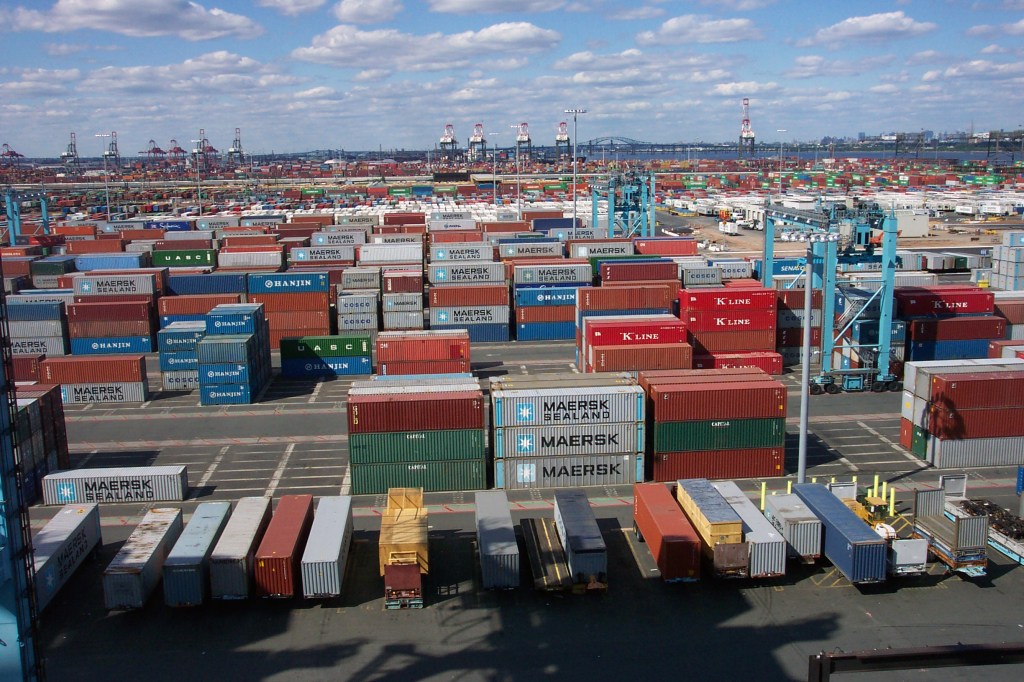
United States Congress passed the Ocean Shipping Reform Act of 2022 (OSRA 22) which was signed into law by the President on June 16, 2022. The goal of the Act is to provide statistics to the Federal Maritime Commission (FMC) by the Ocean Carriers and port terminals to prevent or assess the high ocean container transportation rates, container space unavailability on vessels, and additional fees accumulated by detention (not returning the empty container to the container or rail yard before return date) and demurrage (not pulling a container from a container or rail yard before the last free day) during the COVID pandemic.
One of the leading factors that caused detention and demurrage was the lack of chassis availability for the containers to be loaded and transported by truck. The Transportation Research Board will carry out a study by April 1, 2023, to determine the best practices to optimize chassis pools.
There were occasions when the discharged containers weren’t accessible because the containers were stacked, or buried too deep by other containers in the yard. In such instances, the last free day was typically extended. Research is being conducted to determine the feasibility and strategies to acquire Federal and non-Federal land for the overflow of containers due to congestion.
The Comptroller General of the United States will also investigate the technological capabilities of US ports compared to foreign ports and how this would affect costs, the workforce, and the barriers to overcoming the implementation of new technology.
An issue with demurrage or detention is determining who is responsible for the charges. The FMC proposes a mandate that charges will be addressed to parties with contractual relationships. An invoice must be presented for the charges, but with the time-sensitive nature of container movement, it is suggested to pay charges in order for the container to be released.
However, a demurrage or detention invoice is mandated and must contain 13 necessary data sets, and can be found on eModal Fee Manager for container yards that utilize the online service. The ACT will require that a website is created by the billing party, which outlines what is necessary to request fee mitigation, refund, or waiver. If a resolution is not possible then a charge complaint can be requested to be reviewed by the FMC.
An invoice for demurrage or detention must be issued within 30 days from the occurrence of the charge, and a dispute can be filed regarding the demurrage or detention charges within 30 days from the date of issue of the invoice.
Sources
OCEAN SHIPPING REFORM ACT OF 2022. (2014). https://www.congress.gov/117/plaws/publ146/PLAW-117publ146.pdf
Federal Register : Request Access. (n.d.). Unblock.federalregister.gov. Retrieved January 13, 2023, from https://www.federalregister.gov/documents/2022/10/14/2022-22290/demurrage-and-detention-billing-requirements
OSRA FMC Compliance for Demurrage Fee Payments. (n.d.). Advent EModal. Retrieved January 13, 2023, from https://www.adventemodal.com/osra.html
What every shipper should know about OSRA 22. (n.d.). http://www.thompsoncoburn.com. Retrieved January 13, 2023, from https://www.thompsoncoburn.com/insights/publications/item/2022-07-11/what-every-shipper-should-know-about-osra-22
“Container City” by US Department of State is licensed under CC BY-NC 2.0.
 Pierson Gruettner